- Teacher: k njeri
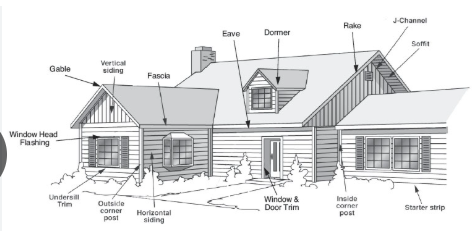
Applying finishes and fittings in a building involves preparing surfaces, then applying protective and decorative finishes like plaster, paint, or wallpaper, followed by installing various fittings, such as furniture, appliances, and lighting fixtures to their designated locations. The process serves dual functions: to protect the building's components from environmental factors and wear, and to enhance its aesthetic appeal and functionality.
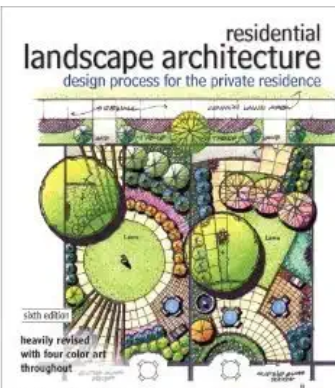
Landscape Architecture is the study of planning, designing, and managing outdoor spaces to balance human needs with the natural environment. The course combines art, science, and technology to create functional, sustainable, and beautiful landscapes.
Main Focus Areas:
Principles of landscape design and planning
Planting and environmental studies
Urban and regional landscape planning
Landscape construction and technology
Use of design software (AutoCAD, GIS, 3D)
Professional practice and project management
An "Advanced Digital Design Studio" course in a modern architecture program teaches students to use cutting-edge digital tools and methodologies to create, analyze, and communicate innovative architectural designs. The curriculum often covers advanced concepts like mixed reality, AI, digital fabrication (like 3D printing), parametric design, and computational environmental analysis to solve complex design challenges for both digital and physical outputs. Students apply these skills to design projects, developing conceptual, technical, and creative abilities in areas such as sustainable and complex form generation.
